
The Catholic Bible Study Guide PDF offers a comprehensive, free resource for believers. It includes commentary, lectionaries, concordance, maps, and cross‑references drawn from the New American Bible (Revised Edition). Downloading it opens a portal to deeper Scripture insightfor devotion and community study in.

Core Features of the PDF Guide
This PDF guide bundles scholarly footnotes, a full lectionary, a 70‑page concordance, a glossary, and cross‑references. All drawn from the New American Bible (Revised Edition). It also offers color maps and a user‑friendly layout for personal and group study. Its layout aids reflection, discussion, a scholar insight.
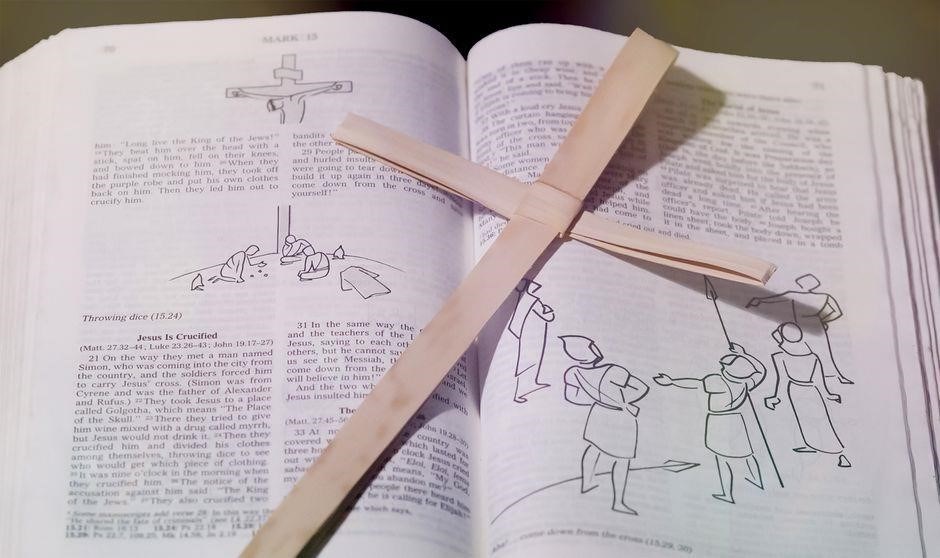
Comprehensive Commentary and Footnotes

Each page of the Catholic Bible Study Guide PDF is enriched with scholarly commentary that follows the New American Bible (Revised Edition) text. The footnotes provide exegetical insight, historical context, linguistic nuances, and references to Church Fathers and contemporary theological works. They explain variant readings, textual criticism, and the development of doctrine over centuries. The commentary is organized by book, chapter, and verse, allowing readers to trace the flow of Scripture and its theological themes. It includes cross‑references to related passages, enabling a holistic understanding of biblical motifs. The footnotes also highlight liturgical applications, showing how passages are used in Mass, sacraments, and personal devotion. By integrating these notes, the guide supports both individual study and small‑group discussion, fostering deeper engagement with Scripture. The commentary is written in clear, accessible language, yet it maintains academic rigor, making it suitable for lay readers, seminarians, and scholars alike. The PDF format ensures that all these resources are available offline, on any device, and can be printed or annotated digitally. This integrated approach helps readers to contextualize verses, appreciate the richness of Catholic tradition, and apply biblical teachings to contemporary life. Additionally, the guide offers a concise summary at the end of each book, highlighting key theological concepts and pastoral applications. It also contains a section on the historical development of the canon, explaining how the books were selected and the criteria used by the Church. For those interested in deeper study, the guide references relevant encyclicals, council documents, and patristic writings. Readers can also bookmark passages for quick reference during prayer. The guide encourages journaling by providing prompts at the end of each chapter.
Lectionaries and Liturgical Calendar Integration
The PDF guide embeds the full Sunday and weekday lectionaries, aligning Scripture readings with the Roman Catholic liturgical year. Each liturgical season—Advent, Christmas, Lent, Easter, Ordinary Time—has its own set of readings, prophecies, and hymnal references. The guide presents the readings in a clear, chronological table, allowing users to track the progression of the liturgical cycle and the theological themes that unfold. It includes the 2018/2025 cycle, with the option to switch to the 2026/2032 cycle for future planning. The integration extends to the Mass readings, including the first reading, responsorial psalm, second reading, and Gospel, all linked to the appropriate lectionary page. The PDF also offers a printable calendar overlay that can be placed over the liturgical calendar, making it easy to identify which passages are to be read each day; For those preparing homilies, the guide provides a quick reference to the corresponding homily notes and suggested prayers. The lectionary section is cross‑referenced with the concordance, so readers can instantly locate related passages elsewhere in the Bible. The guide’s layout follows the official Catholic Church format, ensuring that the readings are accurate and up‑to‑date. Users can also export the lectionary data to a digital calendar, facilitating reminders for personal or group study sessions. The PDF’s design is responsive, so the lectionary tables remain legible on both desktop and mobile devices. This feature supports a rhythm of Scripture that mirrors the Church’s worship life, encouraging believers to engage with the Word in a structured, spiritually enriching way.
By integrating the lectionary directly into the PDF, users can quickly reference the appropriate passages during Mass, ensuring that Scripture is read in its intended liturgical context. This seamless alignment enhances both personal devotion and communal worship, making the study of the Bible a living, breathing part of the Catholic faith.
Concordance, Glossary, and Cross-References
The Concordance section spans pages 1854 to 1949, offering index entries for every word in the New American Bible (Revised Edition). Each entry lists all occurrences, with brief context notes and cross‑references to related passages. The layout follows the alphabetical order, making it easy to locate a term and immediately see its biblical usage across the entire canon. Scholars and lay readers alike benefit from concise annotations that highlight theological nuances and textual variants. The Glossary provides clear definitions for biblical terminology, ranging from ancient Near‑Eastern cultural practices to theological concepts such as “redemption,” “atonement,” and “incarnation.” Each entry includes a short explanation, the original Greek or Hebrew root, and a citation of the primary Scripture reference where the term appears. This resource helps readers grasp the depth of the text without leaving the PDF, supporting both quick reference and deeper study.
Cross‑References link related passages, themes, and prophetic connections throughout the Bible. The guide uses a color‑coded system: blue links for parallel narratives, green for thematic parallels, and red for prophetic fulfillments. By clicking a link, users can jump directly to the related verse or chapter, facilitating thematic studies and sermon preparation. The cross‑reference tool is integrated with the concordance, allowing users to trace a word’s usage across multiple contexts and see how it relates to broader biblical themes. Users can export cross‑references for offline use and share them. Users can search by keyword to locate verses instantly, improving study flow. A printable index is also provided for quick reference during group sessions. The layout is user‑friendly, with clear headings!!

Popular Catholic Translations Covered
The PDF features the New American Bible (Revised Edition) and the New Jerusalem Bible (NJB), both with imprimatur. It also includes the Douay‑Rheims and the Catholic Study Bible, offering diverse language options for study. These translations balance fidelity and readability, aiding personal study today.!!!

The New American Bible (Revised Edition) is the cornerstone of the Catholic Study Bible PDF, offering a contemporary English translation that remains faithful to the original Hebrew, Aramaic, and Greek texts. Published in 2010, the NABB incorporates the latest biblical scholarship, updated linguistic research, and theological insights while preserving the traditional Catholic liturgical style. Its footnotes provide clear, concise explanations of textual variants, historical context, and doctrinal significance, making it an invaluable tool for both personal devotion and scholarly inquiry.
Within the PDF guide, the NABB text is paired with extensive commentary drawn directly from the same source, ensuring consistency between the scripture and its interpretive notes. The commentary includes insights from the Catholic Church’s magisterial documents, patristic writings, and contemporary theological works, all of which are cited with precision. This integration allows readers to follow the biblical narrative while simultaneously engaging with the Church’s authoritative teachings.
Additionally, the PDF offers a concordance that spans the entire NABB, a glossary of key biblical terms, and a comprehensive index, all designed to facilitate quick reference and deeper study. The inclusion of the NABB’s lectionary readings and liturgical calendar further enhances the guide’s utility for liturgical planning and communal worship, aligning daily readings with the Church’s rhythm of prayer. Readers can download the Bible for offline use, ensuring accessibility anywhere!
The New Jerusalem Bible (NJB) is a celebrated Catholic translation that first appeared in 1985 and has since become the most widely used Catholic Bible outside the United States. Its translation team, led by the late Cardinal George Basil Hume, combined scholarly rigor with a poetic, readable style that honors the original Hebrew, Aramaic, and Greek manuscripts. The NJB’s footnotes and commentary are drawn from the same source, offering readers a seamless blend of scripture and exegesis. Within the Catholic Study Bible PDF, the NJB is presented alongside the New American Bible, allowing users to compare textual nuances and interpretive choices side‑by‑side. The PDF includes the full lectionary readings from the NJB, enabling faithful adherence to the liturgical calendar. Additionally, the guide provides a concordance, glossary, and cross‑references that are specifically tailored to the NJB’s wording, ensuring that users can locate passages quickly and accurately. The NJB’s imprimatur, granted by the Catholic Church, guarantees its doctrinal soundness and makes it a reliable resource for personal devotion, group study, and academic research. By incorporating the NJB into the PDF, the guide offers a comprehensive, bilingual experience that enriches the reader’s engagement with Scripture.
Since its publication, the NJB has been praised for its fidelity to the original texts while maintaining a smooth, contemporary English flow. The translation team consulted a wide range of critical editions, including the Biblia Hebraica Stuttgartensia and the Nestle‑Aland Novum Testamentum Graece, ensuring that the NJB reflects the most accurate readings available. The commentary accompanying the NJB in the PDF guide offers theological reflections, historical background, and practical applications, making it suitable for both clergy and lay readers. Users can also access the NJB’s full‑color maps and historical timelines embedded within the PDF, which provide visual context for the biblical narratives. The guide’s design emphasizes readability, with clear headings, bolded key terms, and side‑by‑side comparison tables that highlight differences between the NJB and the NABB. This feature helps students of Scripture to appreciate the nuances of translation and the impact of word choice on meaning. The NJB’s inclusion in the Catholic Study Bible PDF underscores the Church’s commitment to providing accessible, authoritative biblical resources for all believers.

Accessing and Using the PDF
Download the Catholic Study Bible PDF from the Internet Archive or official site. Use a PDF reader, bookmark chapters, and consult the built‑in concordance, glossary, and lectionary. The guide’s footnotes, maps, and cross‑references enhance study. Use index for quick nav now.

To obtain the Catholic Study Bible PDF, users can access the Internet Archive’s “Catholic Study Bible” collection, which offers a free, downloadable version in PDF format. The archive hosts the full text, including commentary, lectionaries, concordance, glossary, and maps, all compiled from the New American Bible (Revised Edition). The file is provided under a public‑domain‑like license, allowing unrestricted personal use, study, and sharing. For those seeking official distribution, the Catholic Church’s official sites sometimes provide the PDF under a Creative Commons Attribution‑ShareAlike license, permitting redistribution as long as the original source is credited. Users should verify the license information on the download page, as it may vary between mirror sites. The PDF is also available for streaming directly from the archive, enabling quick preview before download. In all cases, the document remains free of charge, ensuring that anyone can access the study guide for personal devotion or group instruction without cost or subscription fees. The file size is approximately 15 MB, making it lightweight for download on mobile devices. Users can verify integrity by comparing the provided SHA‑256 checksum, which is listed on the archive page. The PDF is fully tagged for accessibility, supporting screen readers and text‑to‑speech tools. It is compatible with major PDF readers such as Adobe Acrobat, Foxit Reader, and SumatraPDF. By following these steps, users can safely download, verify, and use the Catholic Study Bible PDF for personal or group study without legal concerns. Enjoy it!!
Personal and Group Study Strategies
For personal study, start each day with a brief prayer and read the passage assigned by the lectionary. Use the concordance to locate key terms and cross‑references, then note insights in a journal. The glossary clarifies unfamiliar words, and the footnotes provide theological context. After reading, reflect on how the text applies to your life and share a brief summary with a small group. In group sessions, designate a facilitator to guide discussion and ensure everyone participates. Begin with a short prayer, then read the passage aloud together. Encourage each member to ask questions and offer reflections, using the concordance to find related verses. Visual aids such as maps or charts from the PDF help illustrate the historical setting. Audio recordings of the text can support auditory learners. Set a collective goal, like completing a book of the Bible in a month, and track progress with a shared spreadsheet. This balanced approach nurtures personal growth while fostering communal learning and accountability.
This guide encourages consistent practice, inviting readers to set aside dedicated time each, to meditate on Scripture, and to integrate prayerful reflection into their routine. By engaging with the text regularly, individuals deepen their understanding, strengthen their faith, and become more compassionate witnesses in their communities.
Supplementary Resources and References

Beyond the PDF, several free and paid tools enrich study. The Internet Archive hosts the full Catholic Study Bible, complete with concordance, lectionaries, and footnotes. The New American Bible (Revised Edition) is available in PDF form through the Vatican’s digital library, offering a reliable textual base. For audio support, the Vatican Radio streams daily readings in multiple languages, while the Liturgical Calendar app syncs with the lectionary to remind users of upcoming Scripture assignments. Online forums such as Catholic.net and BibleStudy.com provide discussion boards where readers exchange insights and ask questions. Scholarly articles from JSTOR can be accessed through institutional subscriptions, providing deeper exegetical context. The USCCB’s “Bible in the Life” series offers weekly devotionals that align with the lectionary, and the National Catholic Register publishes commentaries that complement the PDF’s notes. For those seeking structured study, the “Catholic Bible Study Handbook” by Jerome Kodell offers a step‑by‑step guide, while the “Catholic Study Bible Companion” app delivers daily prompts and reflection questions. These resources, combined with the PDF’s built‑in tools, create a comprehensive ecosystem for both individual and group exploration of Scripture. Moreover, the PDF includes a searchable index of key themes such as faith, hope, and charity, allowing users to locate passages quickly. The integrated color maps illustrate biblical geography, while the annotated bibliography lists authoritative commentaries for deeper study. Finally, the guide encourages users to maintain a reading log, noting dates, reflections, and prayer requests, transforming passive reading into an active dialogue with God.

Future Editions and Updates
Upcoming releases of the Catholic Bible Study Guide PDF are planned to align with the latest approved translations and liturgical revisions. The next edition will incorporate the 2024 revision of the New American Bible, adding updated footnotes that reflect recent scholarly consensus on textual variants. A new concordance section will be expanded to cover additional cross‑references, including a “Key Themes” index that tracks theological motifs across the canon. The lectionary integration will be upgraded to support the 2025 Liturgical Calendar, enabling users to sync the PDF with the current cycle of readings, feast days, and solemnities. Digital enhancements will allow interactive hyperlinks to the Vatican’s online resources, such as the Catechism and the official translation notes, providing instant access to authoritative commentary. A companion mobile app will be released concurrently, offering push notifications for daily Scripture passages and a built‑in study planner. The update schedule will follow a bi‑annual cycle, with beta releases available to the community for feedback before the final distribution. All new editions will remain freely downloadable under the same open‑access license, ensuring that the faithful worldwide can benefit from the most current scholarly and liturgical insights without cost. Future updates will also explore digital integration, offering QR codes that link directly to the Vatican’s official commentary and will incorporate a multilingual glossary to support non‑English speakers, ensuring accessibility for a global Catholic community. Additionally, a mobile app will provide prayer prompts aligned with Scripture daily passages, enhancing devotion.